

Elevating Islamic Scholarship: Why Our Campus is Recognized as the Best Maulana Madrasa Delhi Families Trust
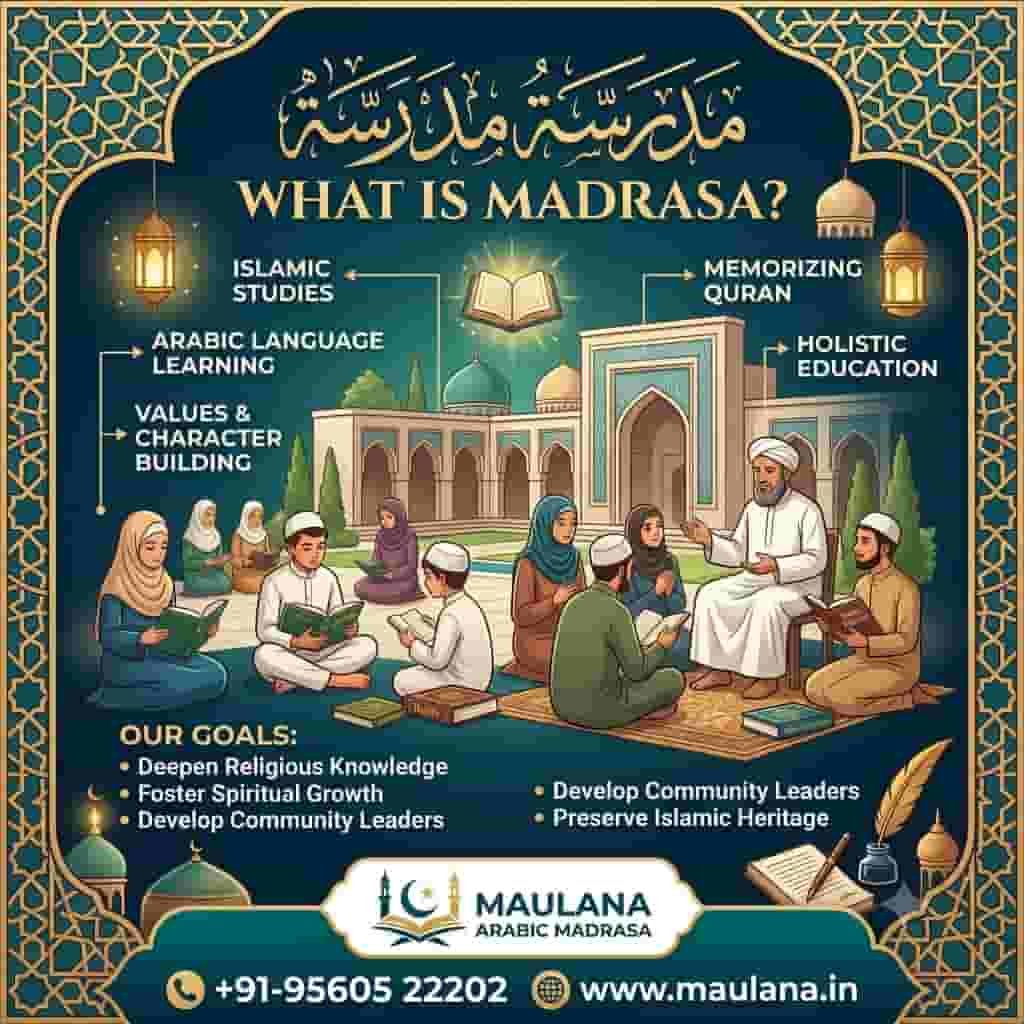
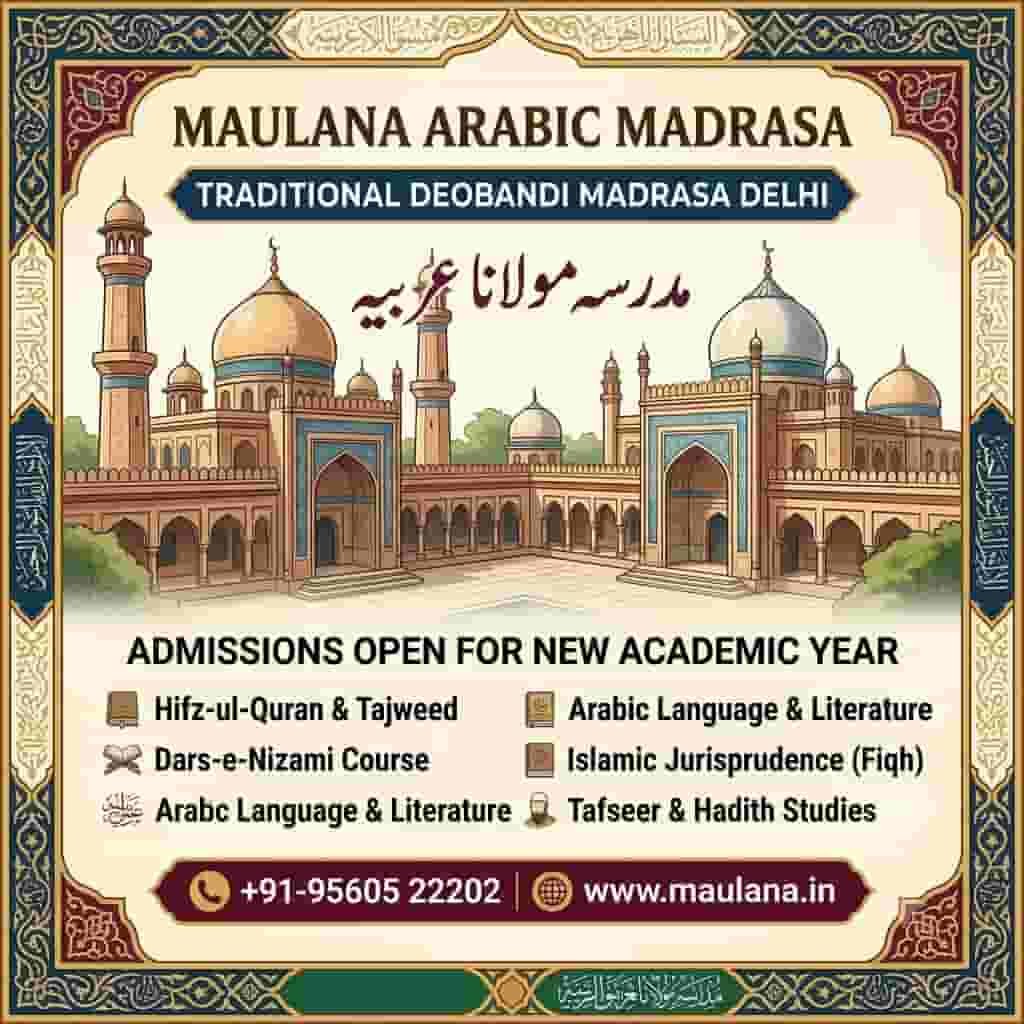
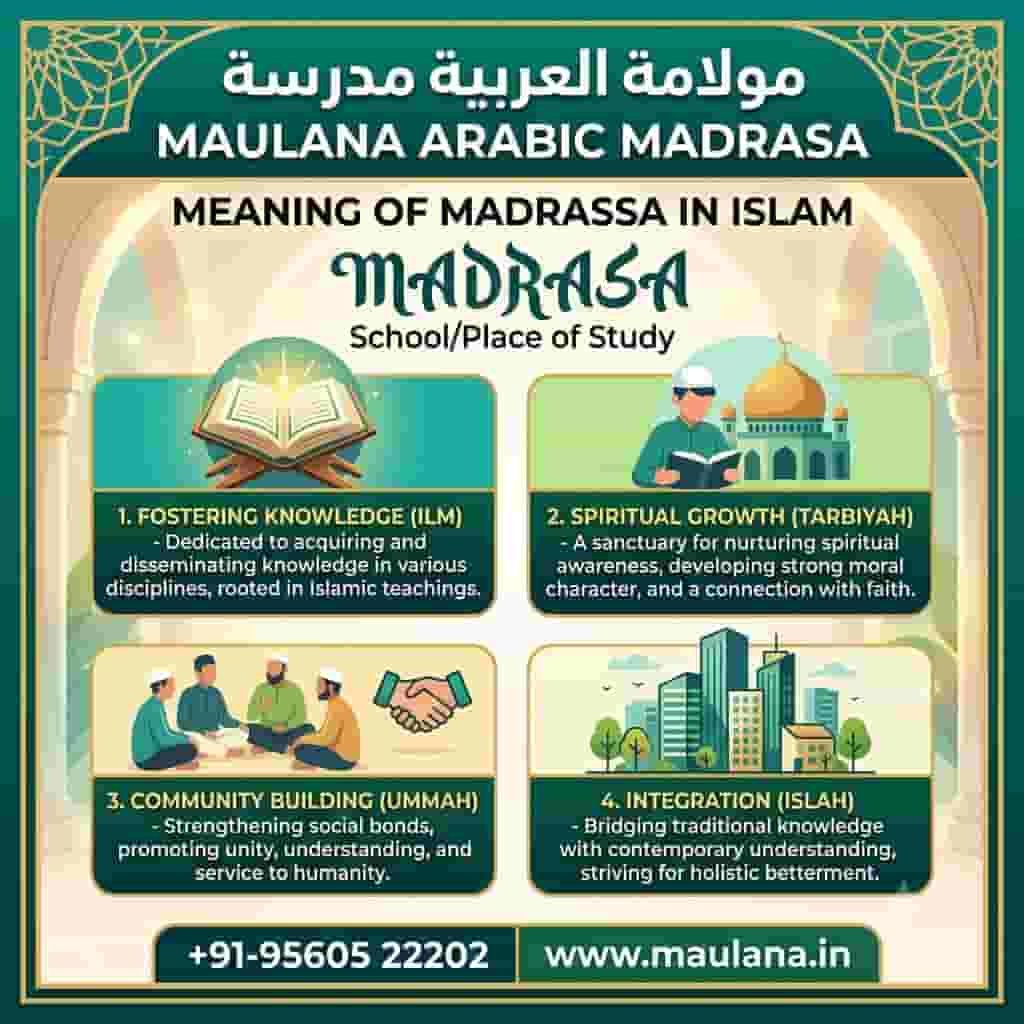
In a world undergoing rapid cultural and intellectual shifts, the need for deep, authentic, and structured Islamic scholarship has never been more vital. For students and parents aspiring to master the classical Alim and Maulana educational frameworks, finding the Best Maulana Madrasa Delhi offers is the foundational step toward building authentic religious leadership. At Maulana Arabic Madrasa, our dedicated academy stands as the foremost Best Maulana Madrasa Delhi institution, designed to nurture sincere students into knowledgeable scholars, fluent linguists, and morally grounded leaders. Situated in South Delhi, our campus blends centuries of traditional Islamic pedagogy with organized, student-focused learning methods, ensuring every candidate masters the complex disciplines of Quranic commentary (Tafseer), prophetic traditions (Hadith), jurisprudence (Fiqh), and Arabic grammar (Sarf and Nahw). The Enduring Value of Formal Maulana and Alim Studies Pursuing a formal Alim or Maulana qualification is a noble, transformative endeavor that requires rigorous textual study, disciplined character development (Tarbiyah), and personal mentorship under qualified scholars. Choosing the Best Maulana Madrasa Delhi provides students with a clearly charted academic pathway. Relying on superficial internet summaries or unguided reading can never replace the traditional Dars-e-Nizami methodology that has preserved Islamic scholarship for centuries.Under structured guidance, learners move systematically through elementary linguistic tools to advanced theological reasoning, developing the critical faculties needed to address complex modern questions while remaining firmly anchored in authentic prophetic traditions. Learn Under Distinguished, Certified Islamic Scholars At Maulana Arabic Madrasa, our faculty panel represents the core of our educational excellence. What sets the Best Maulana Madrasa Delhi faculty apart is our teaching board comprising seasoned Islamic scholars (Ulema), certified Muftis, and experienced female mentors (Alimahs) who hold traditional teaching licenses (Ijazahs) from world-renowned seminaries.Our educators serve not merely as classroom lecturers, but as compassionate spiritual guides. They believe in engaging students through interactive dialogue, close textual analysis, and patient mentorship. Under their guidance, students do not just memorize classical texts; they internalize the values of humility, piety (Taqwa), and service to humanity. Comprehensive Core Curriculum: The Classical Dars-e-Nizami Framework At the Best Maulana Madrasa Delhi campus, our academic structure leaves no discipline of traditional Islamic knowledge to chance, organizing a multi-year syllabus into clear, manageable annual benchmarks:Classical Arabic Morphology & Syntax (Sarf & Nahw): Rigorous foundational training in word derivation, inflection, and complex grammatical structures to enable independent reading of unvocalized Arabic texts.Quranic Exegesis & Sciences of Tafseer (Usool-al-Tafseer): In-depth study of classical commentaries, thematic analysis, and historical contexts of revelation (Asbab al-Nuzul).Hadith Literature & Methodology (Usool-al-Hadith): Detailed examination of major Hadith compilations (Sihah Sittah), narrator validation sciences, and prophetic traditions.Islamic Jurisprudence & Legal Principles (Fiqh & Usool-al-Fiqh): Comprehensive study of authentic jurisprudential rulings, modern financial ethics, family laws, and comparative legal logic.Logic, Rhetoric & Islamic Creed (Mantiq, Balaghah & Aqeedah): Equipping students with structured philosophical reasoning and clear theological grounding to defend and articulate orthodox Islamic beliefs. A Disciplined Daily Blueprint for Character and Leadership True scholarship manifests through exemplary character, refined manners (Akhlaq), and continuous worship. As the Best Maulana Madrasa Delhi destination for serious students, our academy maintains a structured daily routine that builds discipline and spiritual focus:Step 1: Punctuality in Congregational Prayers: Offering all five daily prayers in congregation to cultivate a natural, lifelong habit of spiritual devotion.Step 2: Early Morning Revision (Mutala’ah): Dedicated post-Fajr study sessions where students review upcoming classical texts before lectures begin.Step 3: Interactive Textual Breakdown: Daily classroom sessions involving line-by-line reading, grammatical parsing, and thematic discussion with faculty.Step 4: Weekly Sermons and Speech Workshops: Regular public speaking platforms that train students to research contemporary topics and deliver clear, articulate lectures to diverse audiences. Curated Study Materials and Classical Reference Libraries Navigating extensive multi-volume Arabic commentaries can be daunting without proper resources. Providing comprehensive research resources is a core hallmark of the Best Maulana Madrasa Delhi program, ensuring students receive curated study guides, structured vocabulary sheets, and simplified reference charts to assist them at every stage of their academic journey.Our comprehensive on-campus library is stocked with classical manuscripts, contemporary research journals, and authoritative commentary texts across all major Islamic sciences. This rich academic repository ensures that students have immediate access to the reference materials needed for detailed research and coursework. Flexible Schedules and Hybrid Learning Modes We understand that university students, working professionals, and mature learners often have diverse commitments. To make advanced Islamic education accessible to all, our academy offers flexible morning, evening, and weekend batches.For students living outside Delhi or those managing full-time professional responsibilities, our interactive digital portal offers live virtual classes. Remote students can participate in real-time discussions, ask questions directly to scholars, and access high-definition recorded archives at their convenience. Safe, Peaceful, and Gender-Segregated Campus Infrastructure Deep intellectual reflection and spiritual growth require an environment that is clean, secure, and focused. The physical infrastructure of the Best Maulana Madrasa Delhi ensures that learners study in spacious classrooms, dedicated study halls, and fully segregated facilities for male and female learners.Our female batches are taught and supervised exclusively by qualified female scholars (Alimahs), ensuring complete privacy and comfort. The campus is located in a peaceful residential pocket of South Delhi, featuring 24/7 campus security, clean amenities, and easy connectivity to major public transport networks. A Trusted Legacy of Cultivating Community Leaders Over the years, Maulana Arabic Madrasa has established a respected reputation as an authentic center of classical learning. Choosing the Best Maulana Madrasa Delhi ensures that you receive a balanced, rigorous education that prepares you to lead with wisdom, compassion, and sound knowledge. Our graduates serve with distinction as community leaders, certified educators, imams, translators, and researchers across the country and abroad.We take pride in guiding every student toward intellectual mastery and spiritual fulfillment through continuous personal mentorship and traditional scholarly integrity. Frequently Asked Questions (FAQs) Q1: What are the basic eligibility criteria to enroll in the Maulana / Alim program?Students who have completed basic Quranic reading and possess a sincere dedication to learning classical Arabic and Islamic sciences are eligible to apply. We conduct a preliminary assessment to place students in